by valvolineexpresscare_admin | Sep 23, 2026 | oil change
Quick Summary: Key Takeaways
- The Objective: Understanding the critical role of engine oil helps you prioritize routine maintenance, prevent mechanical breakdowns, and extend your vehicle’s lifespan.
- Clear Warning Signs: Dark, gritty oil, unusual engine ticking, and active dashboard warning lights indicate that your engine oil has lost its protective properties.
- Mechanical Risks: Delaying an oil change leads to increased engine friction, severe heat buildup, and the accumulation of damaging engine sludge.
- Financial Impact: Investing in routine maintenance is highly cost-effective compared to the exorbitant repair costs associated with resolving a seized engine or replacing internal components.
- Local Brampton Expertise: Drivers in the Peel Region can access warranty-approved, efficient maintenance at Valvoline Express Care, conveniently located at 9499 Airport Rd, Brampton, ON L6S 6C7.
The Core Function of Engine Oil in Your Vehicle
Routine vehicle maintenance is a fundamental part of responsible ownership. Engine oil serves as the lifeblood of your vehicle’s internal mechanics. Its primary function is to lubricate the rapidly moving metal components within the engine block, such as the pistons, valves, and camshafts. This lubrication minimizes friction, ensuring these parts operate smoothly alongside one another.
Beyond lubrication, engine oil plays a crucial role in temperature regulation. As your engine runs, it generates a significant amount of heat. The oil absorbs and redirects this heat away from the combustion cycle, preventing the internal components from overheating. Furthermore, high-quality motor oil contains specialized detergents that actively suspend microscopic debris, metallic shavings, and combustion byproducts, keeping your engine clean and operating efficiently.
Warning Signs That Your Vehicle Needs Fresh Oil
When oil degrades over time, it loses its viscosity and protective capabilities. Recognizing the early warning signs allows you to address the issue before severe mechanical damage occurs.
Dark and Gritty Oil Consistency
Fresh engine oil typically presents as an amber, semi-translucent liquid. As it cycles through the engine and absorbs contaminants, it gradually darkens. If you check your dipstick and notice the oil is thick, opaque black, or feels gritty between your fingers, it is a clear indicator that the fluid is saturated with debris and requires immediate replacement.
Unusual Engine Ticking or Knocking Noises
Clean oil creates a protective barrier between moving metal parts. When you skip an oil change, the oil thins out and loses its lubricating properties. This lack of lubrication causes metal components to strike against one another, resulting in audible ticking, tapping, or knocking noises from the engine bay. Ignoring these acoustic warnings often leads to permanent internal damage.
Exhaust Smoke and Dashboard Alerts
While a small amount of translucent vapor from the tailpipe is normal in colder weather, thick blue or gray smoke indicates that oil is bypassing worn seals and burning within the combustion chamber. Additionally, modern vehicles are equipped with sophisticated sensors. If your dashboard oil pressure light or check engine light activates, it is a definitive signal to have your vehicle inspected by a professional technician immediately.
The Mechanical Risks of Delaying Routine Maintenance
Skipping scheduled oil changes initiates a chain reaction of mechanical deterioration. Understanding these risks highlights the importance of adhering to your manufacturer’s recommended service intervals.
Increased Engine Friction and Severe Overheating
As engine oil breaks down, it can no longer reduce friction effectively. This increased friction generates excessive heat, placing immense stress on the cooling system. Continuous operation under these conditions can cause internal components to warp, melt, or fuse together, resulting in a catastrophic mechanical failure.
The Accumulation of Engine Sludge
When oil becomes heavily contaminated and is subjected to high heat over prolonged periods, it oxidizes and transforms into a thick, gel-like substance known as engine sludge. Sludge blocks vital oil passageways, restricting fluid circulation and depriving the engine of necessary lubrication. Removing heavy sludge buildup is an intensive, time-consuming process that often requires disassembling the engine.
Decreased Fuel Efficiency
An engine forced to overcome the resistance of thick, degraded oil and increased internal friction must work significantly harder to maintain speed. This increased mechanical effort directly translates to higher fuel consumption. Maintaining fresh engine oil ensures your vehicle operates at peak efficiency, maximizing your fuel economy.
Comparing Routine Maintenance to Major Repair Costs
From a financial perspective, routine oil changes are a minimal investment that yields substantial long-term savings. The cost of a standard or synthetic oil service is negligible when compared to the financial burden of major engine repairs.
If an engine fails entirely due to oil starvation or severe sludge buildup, the vehicle will require a complete engine rebuild or a full replacement. These major restorative procedures can cost thousands of dollars, often exceeding the current market value of older vehicles. By adhering to a consistent maintenance schedule, you actively protect your financial investment and maintain your vehicle’s resale value.
Navigating Brampton Driving Conditions
Operating a vehicle in Ontario requires a strategic approach to automotive care. Driving across busy local routes in Brampton, such as Highway 410, Bovaird Drive, or navigating the high-traffic commercial corridors along Airport Road, frequently involves heavy stop-and-go commuting. This type of driving places additional stress on the engine and accelerates the degradation of motor oil.
Furthermore, the Peel Region experiences distinct seasonal temperature shifts. The transition from intense summer heat to freezing winter temperatures causes engine oil to fluctuate in viscosity. Ensuring your vehicle is equipped with fresh, high-quality synthetic oil provides reliable protection and consistent engine starts regardless of the external climate.
Professional Automotive Care at Valvoline Express Care
Securing reliable, warranty-approved automotive maintenance in your neighborhood ensures your vehicle remains in optimal condition year-round. Valvoline Express Care delivers efficient, professional oil change services tailored to the specific needs of local drivers.
Our facility utilizes premium Valvoline motor oils designed to reduce friction, suspend contaminants, and protect your engine against premature wear. Each signature service includes a comprehensive 21-point inspection, fluid level checks, and a visual assessment of key safety components, ensuring your vehicle is road-ready.
Visit Our Brampton Location
We invite you to access our premium maintenance services at our highly convenient, drive-through facility. You can find our authorized service center located at 9499 Airport Rd, Brampton, ON L6S 6C7. Our knowledgeable technicians are fully equipped to provide rapid, high-quality oil changes without the need for an advance appointment, keeping your vehicle operating safely and efficiently.
Frequently Asked Questions
How often should I get my oil changed?
Service intervals depend on your vehicle’s make, model, and the type of oil used. Generally, standard conventional oil requires changing every 5,000 to 7,500 kilometers, while full synthetic oils can last between 10,000 and 15,000 kilometers. Always consult your owner’s manual for the manufacturer’s precise recommendations.
Does synthetic oil provide better protection than conventional oil?
Yes, synthetic oil is chemically engineered to offer superior thermal stability and flow characteristics. It resists breaking down under high temperatures and flows more efficiently during cold winter startups, providing enhanced overall protection for your engine components.
What happens during a 21-point inspection?
During a standard oil service, technicians perform a thorough visual assessment of your vehicle. This includes checking tire pressure, inspecting windshield wipers, reviewing exterior lights, and assessing the levels of essential fluids like coolant and brake fluid.
Do I need an appointment for an oil change at the Airport Road location?
No appointment is necessary. The drive-through format at the 9499 Airport Rd, Brampton facility is designed for maximum efficiency, allowing you to receive professional, warranty-approved service quickly and conveniently on your own schedule.

by valvolineexpresscare_admin | Aug 24, 2026 | oil change brampton
Key Takeaway: Combining your seasonal oil change with a comprehensive underbody inspection protects your vehicle from severe road salt corrosion, hidden frame oxidation, fluid leaks, and suspension wear caused by harsh Ontario driving conditions. While fresh motor oil shields your internal engine components, inspecting the underside catches subframe damage, brake line rust, and fluid seepage early, preventing catastrophic breakdowns and costly repair bills.
Driving in Brampton presents unique challenges throughout the year. From freezing winter slush and corrosive calcium chloride along Highway 410 and Queen Street to intense summer stop-and-go commuter traffic toward Toronto Pearson Airport, your vehicle takes constant punishment.
While most vehicle owners know that routine lubrication is essential for engine longevity, many overlook the vulnerable components beneath their car. Scheduling an undercarriage assessment at the same time as your motor oil flush provides complete top-to-bottom vehicle protection.
At a Glance: Standard Oil Change vs. Oil Change + Underbody Inspection
| Inspection Feature |
Standard Oil Service Only |
Combined Seasonal Oil Change + Underbody Inspection |
| Engine Lubrication |
Replaces old oil and oil filter |
Replaces old oil and filter with premium synthetic fluids |
| Corrosion Assessment |
None (focuses only on engine bay) |
Identifies subframe rust, floor pan scale, and salt damage |
| Fluid Leak Detection |
Checks engine drain plug only |
Spots transmission, differential, coolant, and power steering leaks |
| Brake & Fuel Line Check |
Skipped |
Inspects hard lines for rust pitting, swelling, or pinhole leaks |
| Suspension & Exhaust |
Not reviewed |
Assesses bushings, ball joints, control arms, and loose exhaust heat shields |
| Best Time to Perform |
Every 5,000 to 8,000 km |
Bi-annually (Spring thaw recovery and Autumn winter preparation) |
Why Underbody Inspections Matter in Brampton, Ontario
During an Ontario winter, road maintenance crews spread millions of tons of coarse rock salt, brine, and liquid de-icers across Regional Road 107 (Queen St), Bovaird Drive, and Highway 407.
This corrosive chemical slurry is thrown directly into your wheel wells and chassis. Because the underbody remains out of sight, structural oxidation often goes unnoticed until critical components fail.
1. Stopping Salt Brine Oxidation on Subframes
When road brine adheres to hot metal exhaust pipes, catalytic converters, and steel subframes, chemical oxidation accelerates rapidly. Technicians can spot early rust crust before it weakens load-bearing suspension points.
2. Identifying Compromised Brake and Fuel Lines
Braking and fuel distribution lines run along the underside of your vehicle’s chassis. Road debris kicked up by highway commuting can chip the protective coating off these lines, causing moisture and salt to corrode the underlying steel and leading to dangerous brake pressure loss.
3. Catching Hidden Fluid Leaks Early
A slow drip from your transmission pan, differential seal, or steering rack may never leave a visible puddle on your driveway. An undercarriage inspection spots damp seals, cracked CV boots, and weeping gaskets long before they lead to major component failure.
Why Pair This Inspection With Your Seasonal Oil Change?
Lifting your vehicle for routine engine maintenance creates the perfect opportunity for complete undercarriage diagnostics:
- Single-Visit Convenience: Your car is already raised safely on the service rack, allowing certified technicians to perform a detailed visual inspection without taking extra time out of your day.
- Bi-Annual Synchronization: Most drivers in Southern Ontario schedule an oil change roughly every six months—the exact timing recommended to transition between spring rejuvenation and pre-winter preparation.
- Preserving Resale Value: Documented service records showing consistent mechanical maintenance alongside corrosion monitoring significantly boost trade-in appraisal value.
Complete Vehicle Care: Integrating Preventive Maintenance
Protecting your automotive investment requires harmonizing fluid maintenance with body and glass care:
- Routine Undercarriage Cleaning: Scheduling regular visits to a professional car wash flushes away corrosive road brine from lower frame rails and wheel wells before it hardens into scale.
- Deep Seasonal Decontamination: Pairing mechanical checkups with car detailing removes industrial fallout, protects clear coat surfaces, and extracts ground-in salt from cabin carpets.
- Clear Road Vision: Checking glass condition during routine maintenance ensures small rock chips are resolved via windshield repair, avoiding the need for a full windshield replacement.
Local Automotive Care: Visit Valvoline Express Care Brampton
For daily commuters, families, and commercial fleet drivers across Peel Region, Valvoline Express Care delivers fast, warranty-approved maintenance and diagnostics. Whether you need a quick warranty-approved synthetic lubricant service or a thorough undercarriage check, our certified technicians are ready to assist.
- Address: 9499 Airport Rd, Brampton, ON L6S 6C7, Canada
- Location Highlights: Conveniently situated on Airport Road near Williams Parkway and Queen Street East.
- Ideal for: Residents and commuters across Bramalea, Castlemore, Springdale, Goreway Drive corridors, and drivers heading toward Toronto Pearson International Airport.
- Core Services: Warranty-Approved Oil Change, Complete Multi-Point Inspections, Fluid Flushes, Filter Replacements, Tire Rotations, and Chassis Checkups.
Frequently Asked Questions (FAQ)
How often should Brampton drivers get an underbody inspection?
You should have your underbody inspected at least twice a year, ideally in the spring (to check for winter salt damage and fluid leaks) and in late autumn (to ensure all lines and protective coatings are ready for winter road salt).
Can a regular car wash replace a professional underbody inspection?
No. While a car wash with an undercarriage blaster is vital for removing loose road salt and mud, it cannot identify thinning brake lines, worn suspension bushings, or active mechanical fluid leaks.
What happens if rust proofing is applied over an existing underbody leak?
Applying rust proofing without an inspection can trap leaking fluids or seal over deteriorating rubber boots. An underbody check ensures all mechanical repairs are completed before applying protective undercoatings.
Does a combined seasonal inspection void my vehicle manufacturer warranty?
No. Warranty-approved service centres like Valvoline Express Care use OEM-specified fluids, parts, and inspection protocols that fully preserve your factory warranty coverage.
Ready for complete peace of mind on Ontario roads? Stop by Valvoline Express Care at 9499 Airport Rd, Brampton, ON today for a fast seasonal oil change and complete underbody vehicle inspection!

by valvolineexpresscare_admin | Jul 29, 2026 | oil change
At a Glance: Catching Engine Wear Before the Dashboard Lights Up
Waiting for your car’s dashboard reminder light to turn on isn’t always the safest bet for vehicle longevity. Motor oil breaks down continuously due to heat, friction, and local stop-and-go traffic conditions. As Brampton’s trusted pit stop for fast preventative care, Valvoline Expresscare simplifies vehicle maintenance by providing rapid, warranty-approved oil change services right in your neighbourhood at 9499 Airport Road. From checking your fluids to keeping your vehicle safe with seasonal treatments like underbody rust proofing, catching the early signs of wear keeps your car running smoothly through cold winters and humid Ontario summers.
The Basics: Why Motor Oil is the Lifeblood of Your Engine
Many drivers treat an oil change like an optional task rather than a critical safety layer. Inside your engine, metal components move past each other thousands of times per minute. Motor oil forms a microscopic barrier that prevents these parts from grinding against one another.
There are three primary functions that motor oil performs continuously:
- Friction Reduction: It lubricates pistons, crankshafts, and valves to allow seamless power delivery.
- Heat Dissipation: It carries intense thermal energy away from the combustion chamber to prevent overheating.
- Debris Trapping: It cleans the engine interior by capturing microscopic metal shavings, dirt particles, and carbon deposits.
Expert Automotive Tip: A common point of engine failure stems from relying entirely on automated factory dashboard sensors, which often calculate oil life purely based on mileage rather than the actual chemical degradation of the fluid. Upgrading your maintenance habits and keeping an eye out for real-world warning signs, especially if you regularly face heavy traffic near the GTA, allows you to schedule a quick oil change at our local Valvoline Expresscare storefront on Airport Road before micro-tears and sludge buildup cause permanent engine damage.
5 Warning Signs Your Car Needs Fresh Oil Immediately
To make vehicle maintenance entirely seamless, we have broken down the five most common physical warnings your car gives when its oil has lost its protective capabilities.
1. The Oil Looks Dark, Gritty, or Milky
Clean motor oil has a translucent, amber hue resembling honey. As it circulates through your engine, it collects soot, dirt particles, and combustion byproducts. Pull out your dipstick and wipe it on a white paper towel. If the fluid appears pitch-black and feels gritty when rubbed between your fingers, it has turned into abrasive sludge, and it is time for a fresh oil change.
2. Increased Engine Noise or Unfamiliar Knocking
When motor oil thins out or breaks down, it can no longer create a sufficient protective cushion between metal components. You may notice a louder ticking sound when starting your car on cold mornings, or a persistent metal-on-metal knocking sound while accelerating down Airport Road.
3. Lingering Burning Smells Inside the Cabin
If you smell burning oil inside your car, it indicates a critical issue. This usually means oil is leaking onto hot engine parts or the fluid is severely overheating due to a critically low oil level. Ignoring a burning scent can lead to sudden engine failure or vehicle fires.
4. Mysterious Exhaust Smoke
Modern vehicles are engineered to emit clear, nearly invisible vapour from the tailpipe. If you notice thick, blue, or gray smoke billowing out behind you while waiting at intersections, oil is actively leaking into your combustion chambers and burning along with your fuel.
5. Sluggish Acceleration and Dropping Fuel Economy
Old, thick oil creates internal fluid resistance inside the engine block. Because the pistons have to push through heavy sludge rather than slick fluid, your engine uses up more fuel to maintain standard speeds, leading to noticeable drops in your monthly fuel efficiency.
The Maintenance Matrix: Traditional vs. Synthetic Choice
To help you choose the ideal protection tier for your day-to-day driving habits, review our structured recommendation matrix:
| Oil Type |
Best For |
Recommended Maintenance Action |
| Conventional Motor Oil |
Older vehicles, light daily commutes, low-stress driving. |
Replace every 5,000 to 7,500 kilometres to prevent early thermal breakdown. |
| High-Mileage Blends |
Vehicles with over 120,000 kilometres on the odometer. |
Choose specialized formulations with seal conditioners to stop slow engine leaks. |
| Full Synthetic Premium |
Heavy stop-and-go traffic, towing, extreme Canadian winters. |
Opt for maximum friction protection and superior performance in extreme weather. |
Finding Valvoline Expresscare in Your Neighbourhood
Where you live heavily impacts how quickly your vehicle breaks down. Drivers navigating the Greater Toronto Area frequently experience prolonged idling, rapid temperature swings, road debris, and winter salt. These harsh conditions don’t just affect your engine; they demand comprehensive vehicle protection, from applying annual rust proofing to safeguard your undercarriage against road salt corrosion, to fixing sudden chips with professional windshield repair before cracks spread.
Whether you need an immediate windshield replacement after a major highway rock strike, seasonal body protection, or a fast warranty-approved oil change, our local team at Valvoline Expresscare is positioned right where you need us. Stop overpaying at major dealerships or waiting hours for a simple service appointment.
📍 Our Local Storefront
- Brampton Location: Drop in and see our professional automotive technicians at 9499 Airport Rd, Brampton, ON L6S 6C7. Conveniently accessible for households across the regional market, we get you back on the road safely and quickly without the stress.
Frequently Asked Questions
Why does my engine oil look milky or muddy?
Milky or frothy oil is usually a sign of moisture contamination. This occurs either from driving short distances where the engine never reaches full operating temperature to burn off condensation, or from an internal coolant leak caused by a blown head gasket. If your oil looks like a light brown milkshake, visit a technician immediately for a diagnostic inspection and a fresh oil change.
Can minor glass chips wait, or do I need immediate service?
It is always safest to handle a minor chip immediately with a targeted windshield repair. Temperature fluctuations in Ontario can cause minor chips to expand rapidly into massive cracks, forcing you to undergo a full, more costly windshield replacement to restore the structural integrity of your vehicle’s safety glass.
Can I just top up my oil instead of getting a full oil change?
Simply pouring fresh oil into a dirty engine does not fix the problem. The existing sludge, dirt particles, and spent chemical additives remain trapped inside your oil filter and engine block. A full drain and filter replacement are mandatory to keep your engine clean and protected.
Ready to ensure your vehicle stays reliable for the road ahead? Visit Valvoline Expresscare at 9499 Airport Rd, Brampton today, or pull up to our drive-thru bay for a fast, expert assessment of your automotive needs!

by valvolineexpresscare_admin | Jun 26, 2026 | Rust Proofing Brampton
Deciding whether to protect a brand-new vehicle with extra corrosion barriers is a major crossroad for Canadian car owners. While modern vehicles leave the factory with advanced zinc coatings and computerized paint seals, the prolonged exposure to Canada’s brutal winter road salt and sticky liquid chemical brines creates an incredibly destructive environment for any exposed metal. Is rust prevention really necessary for your new vehicle? Our Canadian guide covers the pros, cons, and essential facts about aftermarket undercoating today.
For maximum clarity, determining if supplementary protection is necessary depends heavily on how long you plan to drive the car, your local geographic winter maintenance habits, and your regional climate.
Executive Summary: The 60-Second Answer
- The Factory Baseline: Brand-new cars feature excellent corrosion barriers that protect the body panels during initial short-term leases (3 to 4 years).
- The Salt Vulnerability: Modern liquid road brines (calcium chloride) behave like an atomized mist, creeping into structural welds, subframes, and brake lines where factory shields cannot fully seal.
- The Long-Term Verdict: If you plan to keep your vehicle past the 5-year mark or drive in high-salt regions like Southern Ontario, investing in proactive Brampton rust proofing services is highly recommended to preserve structural safety and vehicle resale value.
The Mechanical Reality: Factory Shielding vs. Canadian Road Elements
Automakers invest heavily in fighting rust. Modern vehicles are manufactured using galvanized steel sheet metal, electro-dipped protective primers (e-coats), and durable plastic aerodynamic guards beneath the chassis. For the first few years of driving, this initial defence system does an exceptional job keeping visible body panels completely clean.
However, the underside of a car faces non-stop physical punishment. Road gravel, ice blocks, and debris kicked up by your tires act like continuous sandpaper against the undercarriage. This abrasive blasting slowly chips away at the hard factory primers, exposing bare, raw steel to the elements.
Once these small breaches occur, moisture and corrosive winter chemicals lodge themselves into the exposed metal. Tight spots around wheel wells, structural subframes, suspension control arms, and fuel line brackets are notorious for trapping wet slush. Because these hidden crevices rarely dry out completely during the winter months, they turn into the primary staging grounds for structural rust.
Chemical Breakdown: Why Modern Road Liquid Brine is Worse Than Raw Salt
The specific chemical treatments used by your municipality dictate how quickly your vehicle will degrade. While traditional rock salt causes surface scaling, modern transit crews across Canada now rely heavily on liquid brine solutions—primarily liquid calcium chloride or magnesium chloride.
| Anti-Icing Chemical |
Physical Action on Vehicle Metals |
Long-Term Corrosion Risk |
| Traditional Rock Salt |
Bounces off the frame; requires direct moisture activation to start oxidizing steel. |
Moderate – Concentrates in mud flaps and body pockets. |
| Liquid Brine Sprays |
Atomizes into a sticky, fine mist; travels deep into hidden frame channels and electrical plugs. |
Severe – Highly hygroscopic; pulls moisture from the air and eats metal even inside dry garages. |
Municipalities spray liquid brine onto roads before winter storms to stop ice from bonding to the asphalt. While it makes highways significantly safer, it behaves like an absolute nightmare for automotive steel.
When you drive on treated highways, your tires throw this liquid chemical into a fine mist that coats every single square millimetre of your vehicle’s underbody. It seeps into tiny microscopic fractures and seams where solid rock salt can never fit. Worse yet, liquid brine is highly hygroscopic. This means it actively pulls moisture straight out of the air. Even if your car is parked inside a warm, dry garage, the salt film continues to eat away at your vehicle’s chassis weeks after the last snowfall.
Regional Asset Roadmap: Aligning Rust Proofing with Your Ownership Lifecycle
Before you spend money on any protective coating, map out your vehicle ownership timeline. Your personal upgrade cycle is the single biggest factor in calculating your return on investment.
Scenario A: The Short-Term Lease or Quick Trade-In (Less Than 4 Years)
If you lease your vehicle or trade it in for a newer model every 3 to 4 years, aftermarket rust proofing is rarely a necessary expense. Your manufacturer’s factory perforation warranty easily covers any severe structural rust through this brief window. The car will likely look perfectly clean when you hand over the keys, meaning you won’t recoup the cost of annual treatments.
Scenario B: The Long-Term Asset Strategy (5 to 10+ Years)
If you prefer to keep your vehicle completely paid off and run it for a decade or more, proactive rust protection is non-negotiable. While the outside paint stays shiny, structural components like subframes, suspension mounts, and exhaust brackets deteriorate quickly without an active barrier. Trusting your vehicle maintenance to an established facility like Valvoline Express Care ensures your underlying mechanical systems remain sound, preventing expensive component failures and retaining thousands of dollars in resale value.
Material Evaluation: Choosing the Correct Undercoating Tech
If you choose to purchase extra protection, it is vital to avoid outdated application methods that can inadvertently damage your car. Modern automotive preservation relies on two very different categories of materials.
1. Hard Rubberized Undercoatings and Asphalt Tar Barriers
Often sold as a one-time, “permanent” dealership treatment, these thick black coatings dry into a hard, rubber-like skin underneath your car. While they provide decent sound deadening against road noise, they carry a major hidden structural risk. As your car flexes over potholes, the hard shell develops invisible hairline cracks. If salty water gets behind the rubberized layer, it becomes permanently trapped against the raw metal with nowhere to evaporate. The vehicle will quietly rot out from the inside, completely hidden from view.
2. Active Fluid Thin-Films and Oil-Based Sprays
Modern corrosion specialists strongly recommend active, oil-based fluid film formulas. These light oils never dry, harden, or cure; they remain semi-fluid 365 days a year. When sprayed into body cavities, rocker panels, and frame rails, the oil actively “creeps” into every tight seam and weld, physically displacing moisture and oxygen away from the steel. Because the barrier remains liquid, any new rock chips or scratches are automatically self-healed as the surrounding oil flows back over the exposed area.
Frequently Asked Questions
Will aftermarket rust proofing void my new car warranty?
No. Under Canadian consumer protection regulations, automobile manufacturers cannot legally void your main vehicle warranty simply because you applied an aftermarket rust treatment. To ensure total peace of mind, make sure your service center utilizes application techniques that do not require drilling unnecessary access holes into structural zones and uses formulas that are certified safe around modern electrical wire harnesses.
When is the ideal time of year to apply an oil undercoating?
While fluid films can be applied during any season, the ideal time to schedule a treatment is in the late summer or early autumn, right before the winter road salting crews deploy. Applying the spray to dry, warm metal allows the oil to creep deeply into the structural seams at peak efficiency before facing road slush.
Should electric vehicles (EVs) receive rust proofing?
Yes, but the application requires specialized execution. Electric vehicles feature heavy steel structural frames and suspension components that are completely vulnerable to road salt corrosion. However, their undercarriages also house sensitive high-voltage battery banks, orange electrical conduits, and cooling lines. You must use trained technicians who know how to thoroughly coat the metal frame rails while keeping the active spray away from high-voltage connections and battery cooling vents.
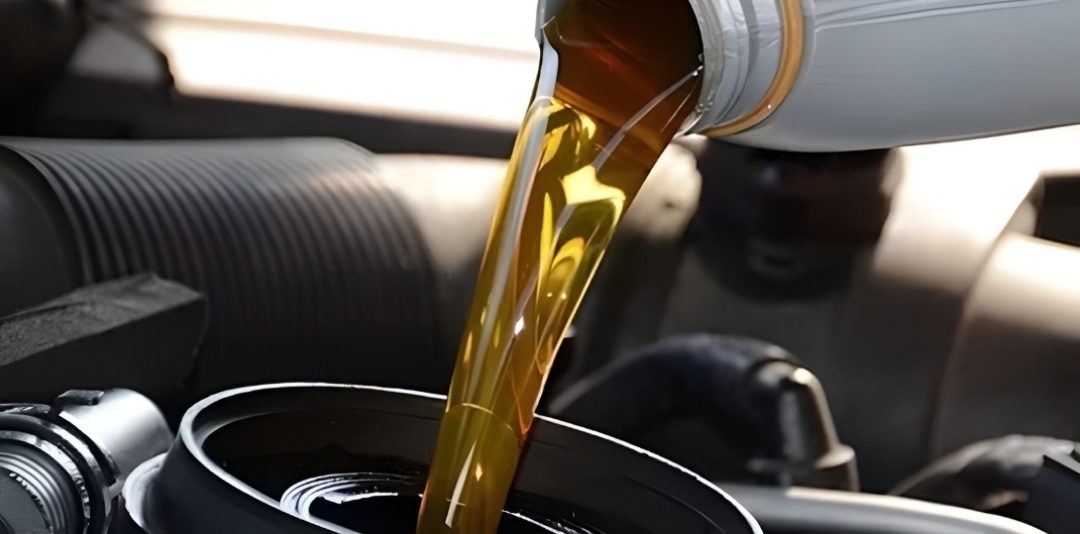
by valvolineexpresscare_admin | May 22, 2026 | oil change brampton
For many drivers in Brampton, navigating the city’s busy roads, whether you are commuting along Highway 410 or navigating the stop-and-go traffic on Steeles Avenue, takes a toll on your vehicle. Among all the car maintenance tips required to keep your car running smoothly, one stands out as the most critical: the regular oil change.
While it might seem like a simple routine, changing your oil is the lifeblood of your engine. Neglecting this vital service can lead to severe mechanical failures, reduced fuel efficiency, and expensive repair bills. In this guide, we will explore why scheduling consistent oil change service in Brampton at a professional shop is essential for your vehicle’s engine health and longevity.
What does engine oil actually do?
Before understanding why you need to change your oil, it helps to know what it does. Engine oil performs three primary functions:
- Lubrication: It creates a thin film between moving engine parts, preventing metal-on-metal contact that causes friction and wear.
- Cooling: By moving through the engine, oil helps dissipate heat from components that the cooling system cannot reach.
- Cleaning: As oil circulates, it picks up dirt, debris, and carbon deposits, transporting them to the oil filter where they are trapped.
Over time, oil breaks down due to heat and gets saturated with contaminants. When this happens, it can no longer lubricate or clean effectively, turning into a thick sludge that can damage your engine.
The unique driving conditions of Brampton
Brampton is a vibrant, growing city, but it presents unique challenges for vehicle maintenance in Brampton. Our climate, which ranges from freezing winters to humid summers, puts additional stress on engines.
Frequent short trips, such as driving to the grocery store or the local mall, prevent the engine from reaching its optimal operating temperature. This causes moisture to build up in the oil, leading to condensation. This moisture, when mixed with combustion byproducts, forms acidic sludge that corrodes internal engine components. Regular oil changes in Brampton are the only way to flush these contaminants out before they cause lasting damage.
Benefits of consistent oil changes
Investing in oil change service in Brampton provides numerous benefits for your car, truck, or SUV:
1. Improved fuel economy
A clean, well-lubricated engine works much more efficiently. When your oil is fresh, your engine components move with less resistance, meaning your car uses less fuel to perform the same amount of work. In an era of fluctuating gas prices, every extra kilometre per litre counts.
2. Enhanced engine performance
Old, dirty oil causes sluggish acceleration and poor idle performance. By keeping your oil fresh, you ensure your engine operates at its peak potential. Whether you are merging onto the 407 or navigating residential streets, you will notice a smoother, more responsive ride.
3. Increased vehicle lifespan
An engine that is regularly maintained with high-quality oil can last significantly longer than one that is neglected. Many vehicles that cross the 300,000-kilometre mark do so because their owners followed a strict oil change and maintenance schedule. It is one of the most cost-effective ways to extend the life of your investment.
4. Preventing costly repairs
The cost of a regular oil change is a fraction of the cost of replacing a seized engine or rebuilding a transmission. By addressing the oil condition early, you avoid the “domino effect” of engine damage that often starts with a lack of lubrication.
Choosing the right oil change service in Brampton
When it comes to vehicle maintenance in Brampton, not all shops are the same. Your vehicle relies on specific oil grades and quality filters to meet the manufacturer’s requirements.
At professional service centers like your local Valvoline Brampton, we don’t just “change the oil.” We conduct a comprehensive inspection to ensure your vehicle is safe for the road. This includes checking:
- Oil filters: To ensure they are properly capturing debris.
- Fluid levels: Checking coolant, brake fluid, and transmission fluid.
- Tire pressure: Crucial for safety and fuel efficiency.
Synthetic oil vs conventional
Many modern vehicles require synthetic oil, which offers superior protection at higher temperatures and lasts longer than conventional oil. If you are unsure what your vehicle needs, our experts can review your owner’s manual or suggest the best grade based on your specific driving habits.
When should you get your oil changed?
While the old rule was “every 5,000 kilometres,” modern engine technology and advanced synthetic oils have extended this interval for many vehicles. However, “severe” driving conditions, which include stop-and-go traffic, extreme temperatures, and short-distance driving, often necessitate more frequent changes.
If you drive primarily in Brampton traffic, it is wise to check your oil levels monthly and adhere to the “severe” service schedule recommended by your vehicle manufacturer.
Conclusion: Take care of your engine
Your car is a significant investment, and it deserves the best care to keep it reliable and safe. Regular oil changes in Brampton are not just an optional chore; they are the most effective way to ensure your vehicle remains dependable, fuel-efficient, and long-lasting.
Don’t wait for your check engine light to come on or for your car to start making strange noises. Stay proactive, stay safe, and visit a trusted professional to keep your engine running like new.
Ready to get your oil changed? Visit your local Valvoline Brampton location today for the best oil change in Brampton professional, quick, and reliable service.