by valvolineexpresscare_admin | Oct 23, 2017 | Blog, oil change, oil change brampton
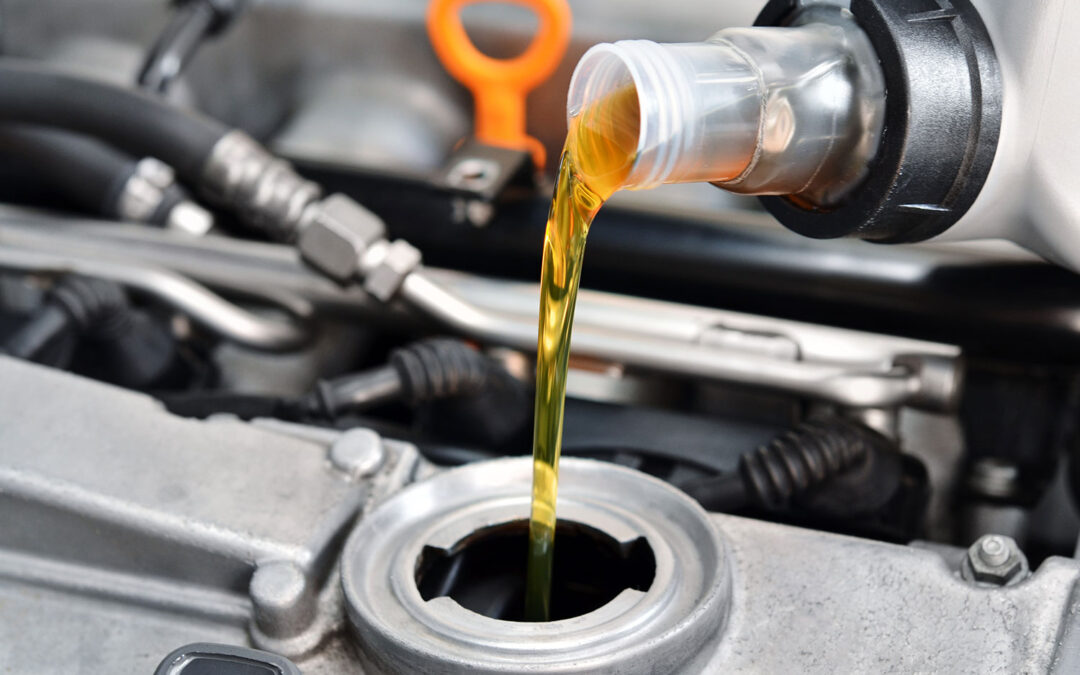
Oil changes are a regular and critical part of vehicle maintenance. Oil plays an incredibly important role in your car’s performance. Oil keeps your engine running smoothly and efficiently, by lubricating the engine to avoid friction from metal scraping on metal.
All oil has a shelf life, and must be changed on a consistent basis to continue to be effective.
How do you know when it is time for oil change?
There are several tell-tale signs that your vehicle is in need ofan oil change. Here a few examples:
- Color and texture of oil
- Engine sound
- Check engine light
- Low level
- Time since your last oil change
Color and Texture
When oil is new and useful, it will be a light honey brown color. The oil will become black and viscous when it begins to deteriorate. Once there is debris and other contaminants floating in the oil, it is time for an oil change, and possibly a filter change as well.
Engine Sound
If your oil is working efficiently, your car’s engine should be purring and fairly quiet. Once the oil gets old and dirty, the engine will become louder and may produce grinding and clunking noises.
Check Engine Light
Most cars will have an oil gauge on the dashboard that will let you know when it is time for a check up. If the engine light coming on, may also indicate an issue with the oil. If any of these lights are illuminated on your dashboard, it is a good idea to take your vehicle in for servicing.
Low Level
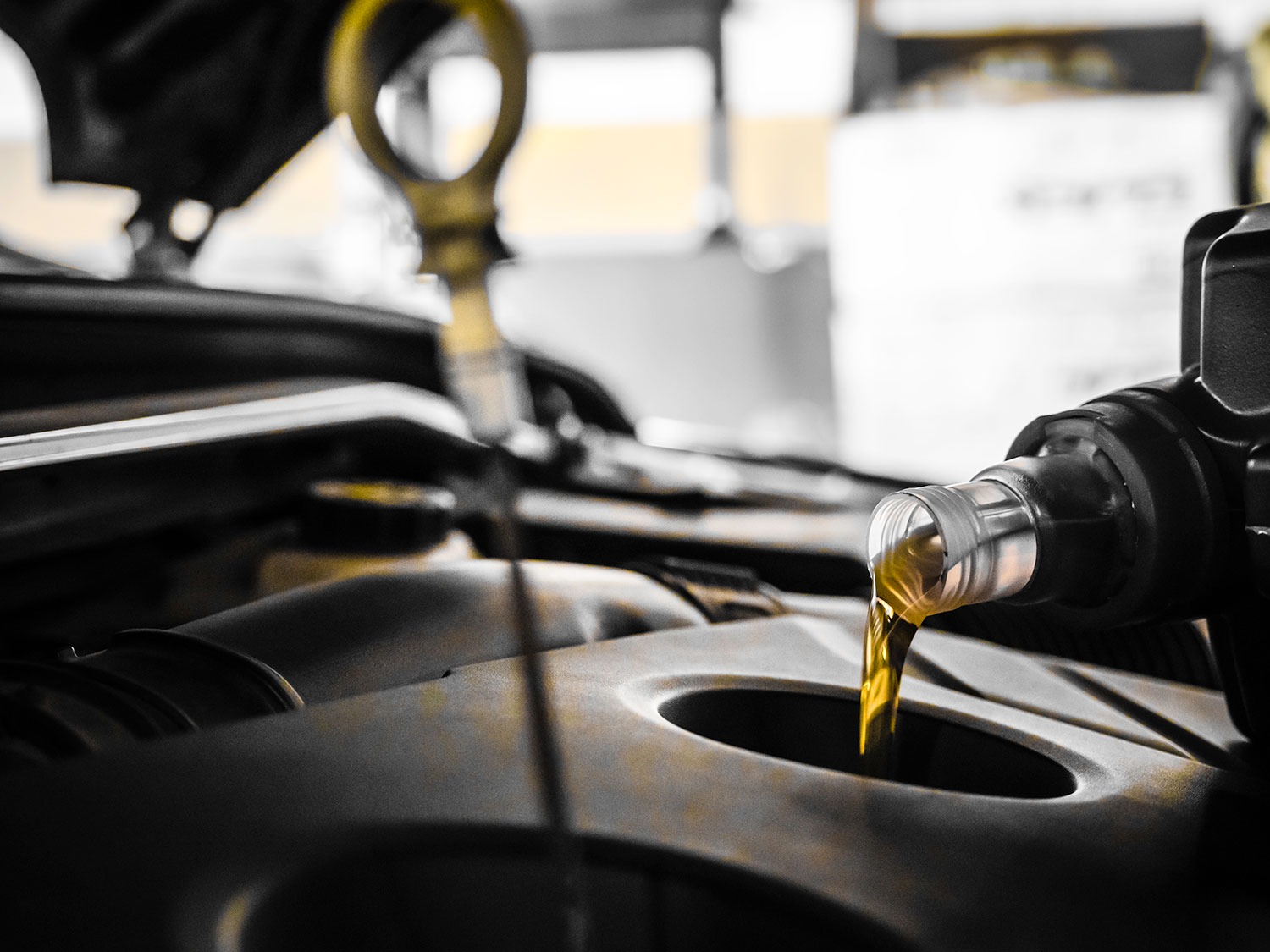
You can use the dipstick to check the oil level yourself to ensure there is an appropriate level in the tank. If levels are low, it is a good indication that the oil is too old and is getting burned up more quickly because it is no longer effective.
Last Oil Change
One of the most reliable methods for knowing when to change your oil is by figuring out the last time it was changed. It is recommended to change your oil every 3,000- 5,000 kilometres. Check your owner’s manual for maintenance schedules.
Frequency Factors
How often you get your oil changed, can be determined by 3 basic factors:
- Maintenance Schedule in Owner’s Manual
- Driving conditions
- Environmental conditions
Maintenance Schedule
The most important factor is following recommendations laid out in the owner’s manual. You don’t want to stray too far from the suggested schedule, as there may be conditions set in the manual that will void the warranty if not followed correctly.
Driving Conditions
The conditions you drive in on a daily basis will also be a factor. If your drive in severe conditions, you should be getting your oil changed more frequently. Severe conditions include:
- Stop-and-go traffic in high temperatures
- Short drives in freezing temperatures
- Driving at slow speeds for long distances
- Driving on dirt, sand, or gravel roads
- Dusty, muddy, or salty conditions
- Towing something behind your car, or strapping something heavy to the roof
- Frequent stops and starts
Environmental Conditions
The climate you live in will also play a role in determining how often your oil should be changed. Extreme cold, especially if only driving for short distances, can cause moisture to build up in the engine and lead to quicker contamination of the oil. Hot temperatures can also be detrimental, even more so in stop-and-go traffic.
by valvolineexpresscare_admin | Oct 10, 2017 | Blog, Filter Services, fuel system controls
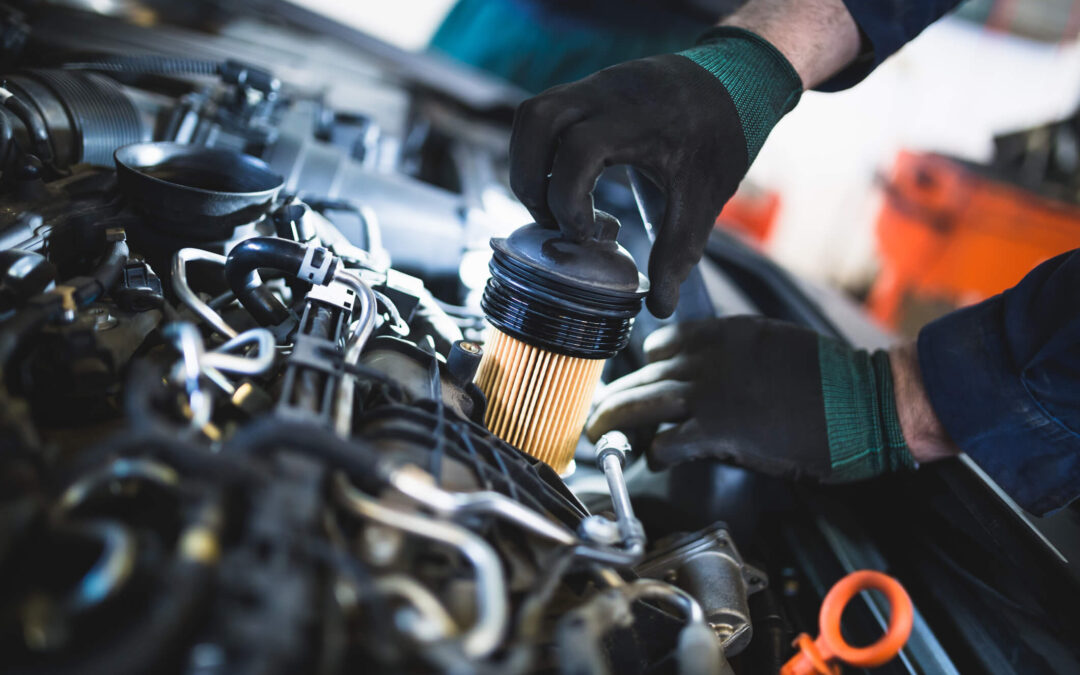
There are several filters throughout your vehicle that should be changed regularly to maintain performance and preserve value. These filters include:
- Air Filters
- Cabin Air Filters
- Fuel Filters
- PCV (Positive Crankcase Ventilation) Valve and Filters
Air Filters
The main job of the air filter in your car is to help keep the engine clean. The filter is there to block damaging substances like dirt, dust, leaves and other debris from getting into the engine. Air from outside the vehicle passes through the air filter and into the cylinders of the engine. The air then mixes with the fuel, in order to give your vehicle the power it needs to run.
A dirty or clogged air filter can allow, or already has allowed, contaminants to enter the fuel system. This contamination of the system can have detrimental effects on your vehicle, like:
- Inefficient fuel economy
- Decreased engine power
- Reduced life of the engine
- Increased harmful emissions
Cabin Air Filters
As you may have guessed, cabin air filters are designed to keep the air inside the cabin of your vehicle clean and breathable. They help guard your lungs and respiratory system against airborne infections and allergens that can be harmful to your health.
More vehicles on the road, as well as longer travel times to and from work, contribute raised levels of noxious gases, bad smells, and dangerous substances you are exposed to on a daily basis.
Consistently changing out old filters for new ones, keeps you breathing clean and healthy air inside your car. This can be very beneficial to people with allergies, asthma, or other respiratory issues. It is also beneficial for your air conditioning system. Less strain on the air conditioner means it will last longer and work more efficiently.
Fuel Filters
The fuel filter is used to block dirt, dust, and other debris from getting into the engine. When you apply pressure to the accelerator in your car, it is the fuel system that regulates the level of power from the engine that is needed for operation. The fuel system controls the movement of air and fuel, ensuring the balance between the two is accurate. The correct combination of fuel and air will make the vehicle go at the desired speed based on how much pressure was put on the gas pedal.
If the fuel filter gets too dirty or gets obstructed, it will compromise the engine’s performance. Replacing the fuel filer regularly keeps your car performing at optimal levels and maintaining good fuel economy.
PCV (Positive Crankcase Valve) and Filters
The PCV valve (also called the emissions valve) and filter work in tandem to return harmful fumes generated by the engine to the combustion chambers. These toxic fumes then get burned again to further reduce their toxicity. The PCV and filter should be changed regularly to prevent wear on the engine and reduce noxious emissions.

Filter Services Brampton
Valvoline Express Care Brampton has been providing professional automotive services in the Brampton area for over 20 years. They can handle all your filter service needs, as well as any other vehicle maintenance required.

by valvolineexpresscare_admin | Sep 26, 2017 | Blog, oil change, wiper blades
Regular automotive maintenance is suggested all year round, but there are certain areas to focus on before each season to optimize the payoffs. In this article, we are going to take a look at some helpful ways to prepare for the summer season.
Summer Car Care
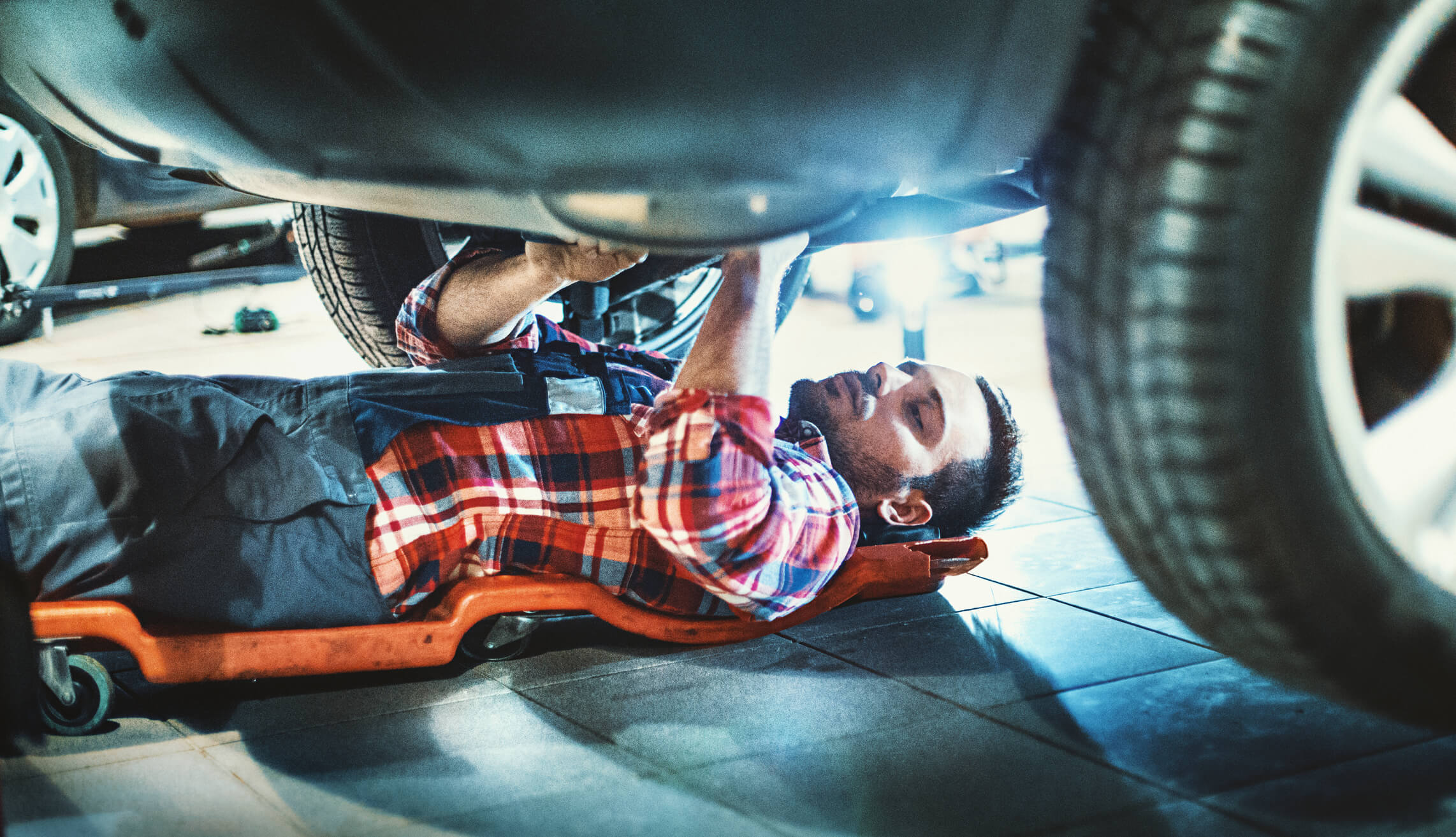
Summer is a great time to get out for a road trip, so it is good idea to make sure your vehicle is safe for the road before heading out. Getting your vehicle fully inspected by an automotive professional may help put your mind at ease.
Depending on what kind of upkeep your vehicle saw in the spring, it may be time to do general maintenance on your car by taking it in for an overall tune-up. After being exposed to Canada’s long and harsh winters, your vehicle will likely have experienced some wear and tear.
The summer can be just as tough on a vehicle, especially if you are going on long trips in the intense heat of the sun.
Here are some areas to focus on, to help keep your car from breaking down out on the road.
• Oil
• Coolants and fluids
• Filters
• Air conditioner
• Wiper blades
• Tires
• Brakes
Oil
Getting your oil changed is something you don’t want to avoid before going on an extended trip. Long drives, plus hot weather, can equal your engine overheating. If your oil is dirty, the engine has to work that much harder and can result in a breakdown. An oil change will keep the engine running smoothly and maximize fuel economy.
Coolants and Fluids
Check all fluid levels to ensure they are were they should be. The coolants are extremely important to prevent overheating. Make sure there are no leaks or premature drainage.
Filters
Filters should also be checked before hitting the road. Check the Air Filter as well as the Cabin Air Filter. A dirty or clogged air filter decreases fuel efficiency, and has trouble blocking contaminants from getting into the engine. The cabin air filter helps keep the air inside the car clean, to prevent you and your passengers from breathing in harmful substances that cause respiratory problems. Have your filters changed regularly.
Air Conditioner
Get your air conditioning system checked to make sure there is an appropriate level of refrigerant or Freon, and that there are no leaks. Having the air conditioning looked at before the summer will allow for a cool and relaxed ride.
Wiper Blades
Windshield wiper blades should be replaced every six months or so, as they usually develop cracks and start to wear from extreme temperature and weather shifts. Faulty blades can impair vision when driving, reducing safety.
Tires
Changes in temperature can also result in changes in tire pressure. All four tires need to be at the same pressure level to prevent uneven wear and maintain fuel economy.
Brakes
If your brakes are emitting strange squealing sounds or are slow to respond, it may that your brake pads are worn. Having your brakes serviced increases safety for your passengers, and prevents hefty mechanic bills down the road.
Summer Car Care Service
Valvoline Express Care Brampton can offer a full inspection of your vehicle, and handle any type of maintenance and service your vehicle requires.

by valvolineexpresscare_admin | Sep 20, 2017 | Blog, rust proofing, Rust Proofing Brampton, rust proofing service
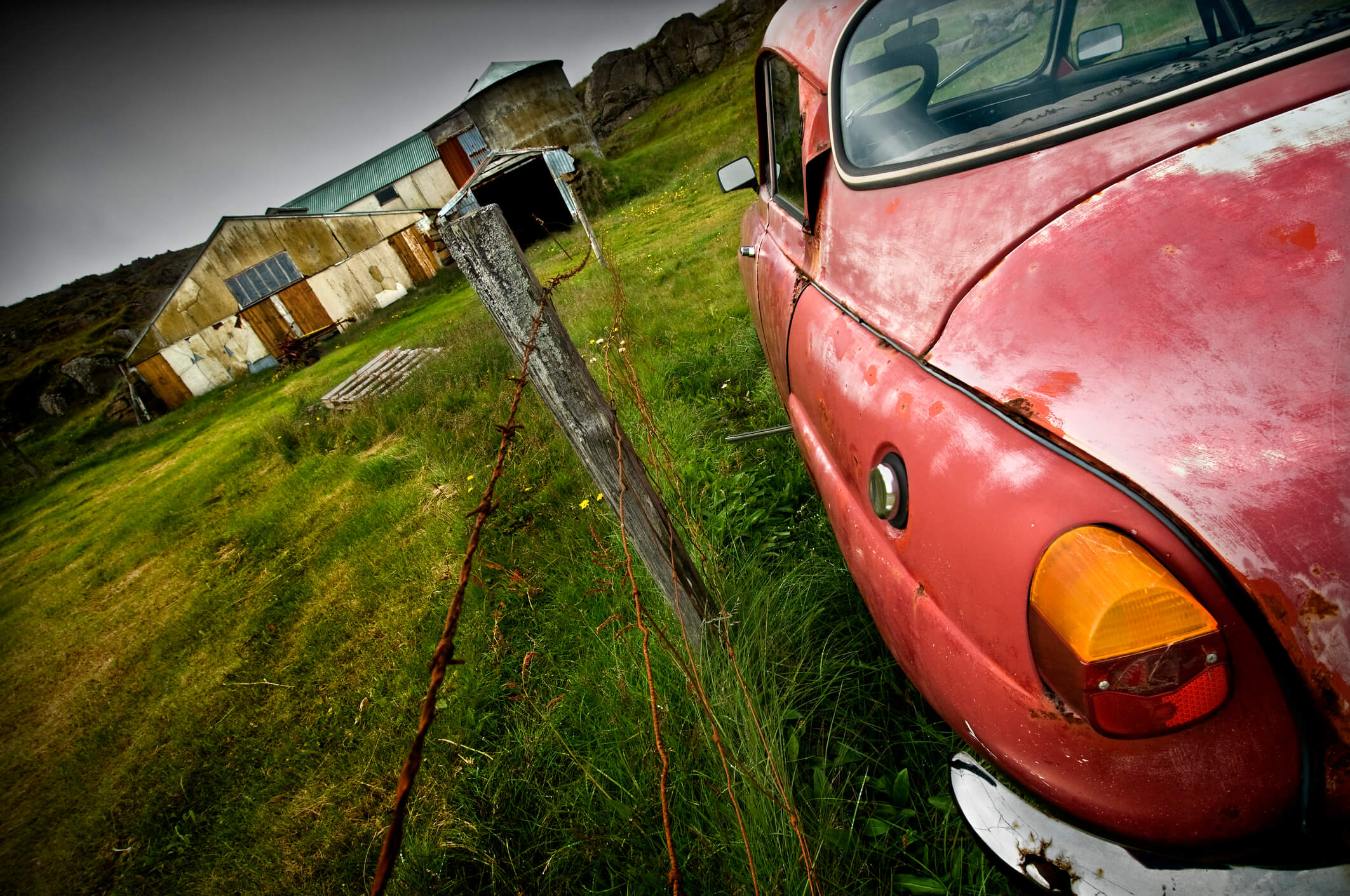
Most car owners think that rust proofing is only necessary in the winter months. This is not true. In fact, rust can form on your vehicle anytime the temperature is above zero degrees Celsius.
People tend to assume since there is no snow and ice in the summer, there is no risk of corrosion. It is true that the roads are not covered with salt and other road cleaners that can lead to corrosion. However, the summer months present ideal conditions for rust to form:
• Hot
• Humid
• Salty
Optimal conditions for rust and corrosion to develop is in hot and humid temperatures. When the weather is humid, it acts like a trigger to activate any salt that may be stuck in the cracks and crevasses of your vehicle.
Once the corrosion process has begun, high temperatures cause that corrosion to spread more quickly. If this process is not stopped, rust and corrosion will continue to eat away at your car. The longer you let it go, the more damage it will do.
Salt is not the only culprit that generates rust on your automobile. Anything that holds moisture and sticks to your car is a potential agent. For example, let’s say you like to take your vehicle off-roading in the summer. Clumps of mud will likely be attached to the bottom of your vehicle after such an excursion. These clusters of mud hold moisture that can damage the undercarriage of your vehicle in the form of rust and corrosion.
How can you protect your vehicle from rust and corrosion?
There are several steps you can take to safeguard your automobile against the caustic and corrosive properties of rust.
Here are some recommendations:
• Have rust proofing services dome by an automotive professional
• Avoid leaving your car in areas where it is exposed to moisture
• Keep gas tank full
• Wash the undercarriage and wheel wells of your car regularly
Rust Proofing Services Brampton
The most effective way to protect your vehicle from rust is by having rust proofing services performed by an automotive professional on a regular basis.
Valvoline Express Care Brampton has been providing exceptional rust proofing services at affordable prices for over 20 years. Their rust proofing specialists combine experience and knowledge, while using only the best rust proofing products and technology.
Valvoline’s rust proof services focus on treating and minimizing existing rust damage, while taking measures to prevent future corrosion.
Keep Your Vehicle Dry
Another good habit to get into to protect your vehicle from corrosion is to keep it as dry as possible. Park it in a garage when possible, and if that is not an option try to find a dry place to keep it. Covering your vehicle in the rain and winter months is another alternative.
Keep Your Gas Tank Full
Try to keep your gas tank as full as possible. An empty gas tank produces more condensation which can end up rusting the engine and other areas inside the vehicle.
Wash the Undercarriage and Wheel Wheels
After a rust coating has been applied to the undercarriage of your vehicle, you should be diligent about keeping those areas clean. Make sure there is no build up of mud, salt, or other caustic substances that can cause rust and corrosion. These types of materials tend to collect in the wheel wells and underneath the car because they are difficult to see and reach. Taking the time to check these areas regularly can really help protect against rust.
by valvolineexpresscare_admin | Sep 11, 2017 | Blog, Emission Test, emissions
Drivers in Ontario must, by law, have their vehicles pass a regulated emissions test in order to operate that vehicle legally.
Pollution is a growing concern world wide, and the noxious emissions expelled by motor vehicles are a large contributor.
Emission laws in Ontario have been put in place to inhibit and reduce pollution on a global scale. Provincial emissions laws are based on national and international regulations and standards of a similar nature.
Car and engine manufacturers are also subject to certain restrictions at the design stage, to reduce the harmful emissions their vehicles will produce. However, not all manufacturers adhere to these specifications inspiring the need for regular emissions tests.
Emissions that Contribute to Air Pollution
All vehicles that run on gasoline will be contributing to air pollution. There are two main types of pollution produced by motor vehicles:
- Primary – pollution that is expelled straight into the environment
- Secondary – pollution that is formed from the chemical reactions of primary pollutants
There are many pollutants that fall under thesetwo categories, causing air pollution from automobile waste.
Hydrocarbons
Hydrocarbons combine with nitrogen oxide to form smog. These pollutants can cause respiratory issues and decreased lung capacity.
Carbon Monoxide
Carbon Monoxide is produced when fossil fuels like gasoline are burned for fuel. This poisonous gas has no color or smell, making it even more dangerous. It can prevent oxygen from getting to the brain and other organs.
Sulphur Dioxide
This is a pollutant typically derived from the burning of sulphur-based fuels like diesel. It can be especially harmful to those with fragile lungs like people with asthma and small children.
Nitrogen Oxides
Nitrogen oxides are a by-product of engine combustion. They are lung irritants, diminishing the body’s capacity to fight respiratory infection.
Types of Automobile Emissions
There are couple different types of emissions produced by motor vehicles that are categorized by when and how hey are produced.
Exhaust emissions are caused directly by engine operation and fuel combustion. They produce Volatile Organic Compounds (VOCs). These are emitted in the form of gases like carbon dioxide, hydrocarbons, and nitrogen oxides.
Evaporative Emissionscan be released when your vehicle is stationary an not even in operation. Evaporative emissions also involve the release of harmful VOCs into the atmosphere.
Emissions Test Exemptions
Some vehicles are exempt from emissions testing. They can be driven with impunity, with no Drive Clean test required. A few examples are:
- Electric and (the majority of) hybrid-electric cars
- Vehicles classed as “light-duty” with a model year before 1988
- Vehicles that are considered to be “Historic” under the Ontario Highway Traffic Act
- Motorcycles
- Kit cars
Emissions Test Brampton
If you are in need of an emissions test for your vehicle in the Brampton area, Valvoline Express Care is certified by the Ontario Ministry of Transport and the Ministry of Environment and Climate Change to perform official emissions tests.
The professional automotive technicians at Valvoline Express Care have been performing emissions tests for years, refining the process to be as efficient as possible. Get your drive clean test done quickly and effectively, while earning rewards points for discounts on other Valvoline services.